Category: Uncategorized

  • Why Robotics Is the Backbone of the Fourth Industrial Revolution: Key Technologies and Industry Impact

    How Robotics Powers the Fourth Industrial Revolution

    Robotics serves as the physical foundation that brings Industry 4.0 concepts to life by combining artificial intelligence, IoT sensors, and cyber-physical systems into machines that can learn, adapt, and collaborate with minimal human oversight. This integration transforms traditional factories into smart manufacturing environments where robots collect real-time data and use machine learning to optimize production continuously.

    Transition From Automation to Intelligent Systems

    Traditional automation relied on fixed programming that required human intervention to modify or adjust. Modern robotics integrates AI and machine learning to create systems that respond to changing conditions without reprogramming.

    Industrial robots now use algorithms to analyze their performance and identify improvements. A robot on an assembly line can detect pattern variations in materials and adjust grip strength automatically. These intelligent sensors enable machines to handle tasks that previously required human judgment.

    The shift to embodied AI allows robots to process multimodal inputs including vision, touch, and sound. Researchers demonstrate this capability by teaching robots complex movements through human demonstration rather than explicit coding. This advancement reduces deployment time from months to days for new manufacturing processes.

    Machine learning enables predictive maintenance where robots monitor their own components and schedule repairs before failures occur. This capability reduces downtime and extends equipment life across smart factories.

    Core Technologies Enabling Robotics in Industry 4.0

    The integration of IoT and robotics creates networked systems where machines share data continuously. Industrial Internet of Things (IIoT) sensors collect information on temperature, vibration, speed, and quality metrics.

    Cloud computing provides the processing power needed for advanced robotics without requiring expensive on-site infrastructure. Robots upload data to cloud platforms where sophisticated algorithms analyze patterns across multiple facilities simultaneously.

    Key enabling technologies include:

    • Digital twins that create virtual replicas of physical robots for testing and optimization
    • Real-time data analytics that process sensor information within milliseconds
    • System integration platforms that connect robots with enterprise software
    • Big data storage that maintains historical performance records

    Computer vision systems powered by AI allow robots to identify defects smaller than human eyes can detect. These intelligent sensors reduce waste in electronics manufacturing where components measure just micrometers.

    Edge computing brings data processing directly to the robot, enabling split-second decisions without network delays. This hybrid approach combines local intelligence with cloud-based learning.

    Cyber-Physical Systems and Smart Factories

    Cyber-physical systems merge digital control with physical machinery to create smart factories where robots coordinate autonomously. These systems use Internet of Things networks to synchronize material flow, quality control, and inventory management.

    A smart manufacturing facility employs robots that communicate directly with supply chain software. When raw material inventory drops below threshold levels, the system automatically adjusts production schedules and orders replacements.

    Digital transformation through robotics and automation enables mass customization at scale. Advanced robotics systems switch between product variants without stopping production lines. One automotive facility can produce multiple vehicle models simultaneously using the same robotic infrastructure.

    CPS ComponentFunction in Smart Factories
    Industrial robotsExecute physical tasks with precision
    IoT sensorsMonitor environmental and operational conditions
    Data analyticsIdentify optimization opportunities
    Cloud computingEnable scalable processing and storage

    Smart technology connects quality control robots with design systems, creating feedback loops that improve products continuously. When a robot detects recurring defects, the data flows back to engineering teams who refine specifications. This integration represents the core promise of digitalization in modern manufacturing.

    Industry Transformation and Societal Impacts of Robotics

    Robotics integration spans from manufacturing floors using collaborative robots to healthcare facilities deploying personalized medicine solutions, while simultaneously reshaping workforce requirements through demands for upskilling and creating new challenges around job displacement. The economic impact of advanced robotics extends beyond cost savings to fundamental changes in how industries operate and how workers interact with intelligent systems.

    Sector-Specific Applications and Technological Integration

    Manufacturing facilities now deploy cobots that work alongside humans rather than replacing them entirely. These systems integrate smart sensors for real-time monitoring and predictive maintenance, reducing downtime and improving quality control. The automotive sector leads adoption, particularly in electric vehicles production where precision assembly of battery packs requires robotic accuracy.

    Additive manufacturing and 3D printing technologies enable mass customization at scale. Companies use digital twin systems to simulate production processes before physical implementation. Robotics and AI solutions in heavy industry demonstrate how automation transforms infrastructure building through intelligent systems.

    Healthcare applies robotics for surgical precision and personalized medicine delivery. Augmented reality and virtual reality enhance training programs, allowing workers to practice with robotic systems in safe environments. Big data analytics and deep learning power autonomous intelligence in autonomous vehicles and warehouse systems.

    Supply chains leverage remote monitoring and self-optimization capabilities through connected robots. Digital platforms and improved human-machine interfaces streamline operations across logistics networks. Smart grids benefit from robotic maintenance systems that respond to electrification demands.

    Effects on Jobs, Skills, and Workforce Reskilling

    Job displacement concerns remain valid as robots handle routine tasks previously performed by humans. However, the impact on industrial workforce dynamics shows that automation creates roles requiring different skills rather than simply eliminating positions.

    Upskilling and reskilling initiatives focus on teaching workers to manage and collaborate with intelligent systems. Demand for AI fluency has increased significantly as employees need to interact with human-machine interfaces effectively. Organizations invest in workforce reskilling programs that emphasize technical troubleshooting and system management.

    Skill CategoryExamples
    TechnicalRobot programming, M2M communication protocols
    CognitiveData interpretation, strategic intelligence
    CollaborativeHuman-robot coordination, safety protocols

    Workers transition from manual operators to system supervisors who monitor digital platforms and respond to alerts from smart sensors. Mobile devices enable remote oversight of robotic systems across distributed facilities.

    Challenges, Opportunities, and Future Trends

    Integration costs create barriers for small and medium enterprises attempting to adopt robotic systems. The expense of system integrators who customize robots for specific workflows often exceeds hardware costs. Scaling robotics beyond pilot phases requires addressing these implementation challenges.

    Sustainability benefits emerge as robots optimize energy consumption and reduce material waste through precise operations. The World Economic Forum identifies 4IR technologies as critical for addressing environmental goals while maintaining productivity. The Internet of Services connects robotic systems to cloud-based platforms for continuous improvement.

    Future developments focus on improving collaborative robots that adapt to changing production needs without extensive reprogramming. Deep learning advances enable robots to learn from demonstration and handle unstructured environments. Competition between nations drives innovation as countries recognize robotics as essential to economic competitiveness.
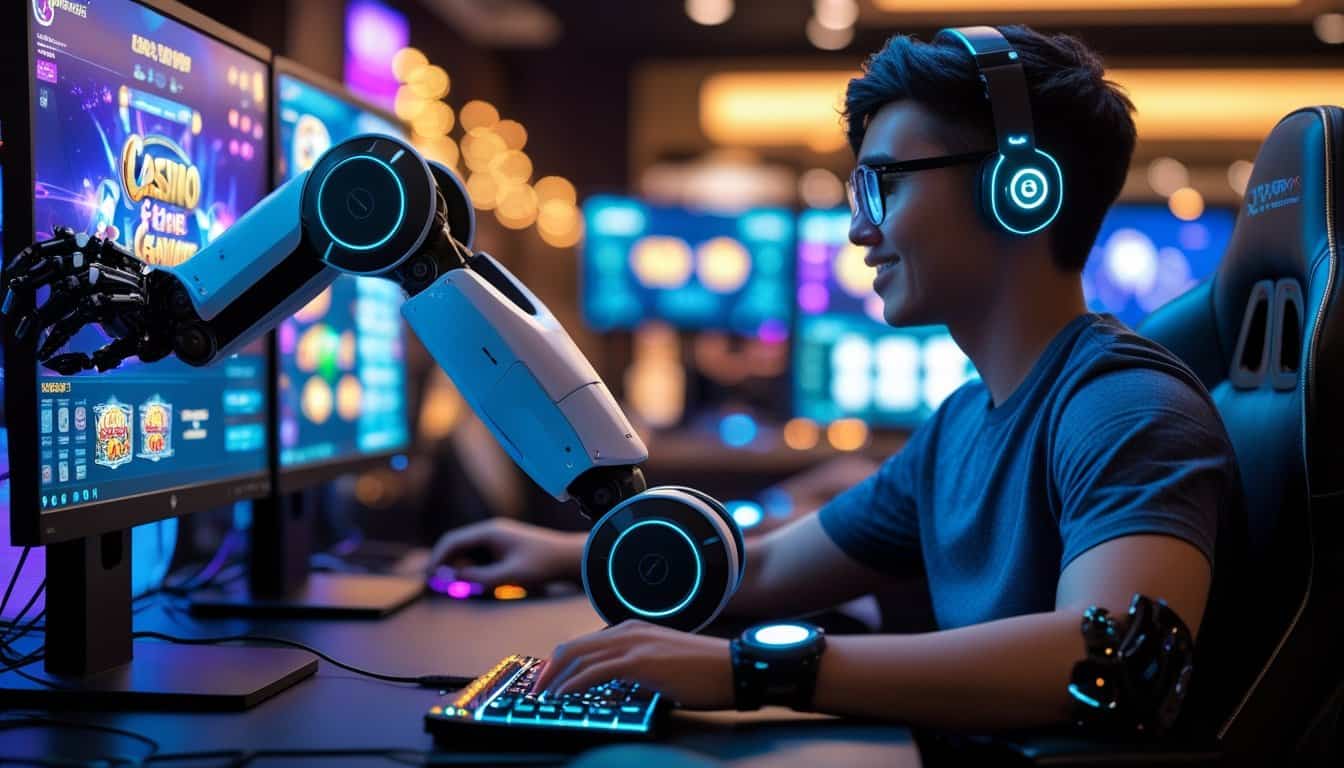

  • From Care to Play: How Assistive Robotics Technology Is Enhancing Online Gaming at Flamez Casino

    From Care to Play: How Assistive Robotics Technology Is Enhancing Online Gaming at Flamez Casino

    Assistive robotics brings new ways for people to participate in online activities, offering tools that make gaming more fun and accessible. Technology is now bridging gaps for players with different abilities, letting them enjoy games at online venues like Flamez Casino.

    Defining Assistive Robotics Technology

    Assistive robotics technology uses specially designed robots and systems to help people who have physical or cognitive challenges. These technologies include robotic arms, customized input devices, and smart gaming tools. They focus on removing barriers, allowing more people to play and interact online with greater ease.

    Robotic devices can mimic hand movements or translate simple body motions into in-game actions. Some systems use sensors or artificial intelligence to predict player intentions, improving the gaming experience. People can access controls that fit their needs, from adaptive controllers to speech recognition.

    Properly designed assistive robotics not only increases access but also creates a more inclusive gaming environment. This helps players who may not be able to use traditional input methods.

    Integration of Robotics in Digital Environments

    Modern online gaming platforms like Flamez Casino can connect with assistive robotics through plug-and-play systems and digital interfaces. Compatibility with adaptive controllers and voice-activated devices means users do not need extra software or complicated setups.

    Smart software allows these robotics to sync with games, providing real-time feedback and input translation. For example, automated input switches or eye-tracking wheels let users select cards or spin digital slots inside casino games. This integration has allowed adaptive gaming equipment to transform how people with disabilities join multiplayer sessions or live dealer tables.

    The clear interfaces and quick response times encourage active participation, making sure each player can join in, regardless of physical limitations.

    Advancements Driving Gaming Accessibility

    Recent advancements in assistive robotics technology are pushing accessibility further. Developers are adding features like customizable button layouts, haptic feedback, and AI-based input prediction into their systems. These tools lower the learning curve and boost comfort and precision during gaming.

    Key improvements include adaptive controllers with modular parts and systems that integrate with assistive technology in gaming such as voice control or brain-computer interfaces. Some platforms have also begun to adopt automation for repetitive actions, making long gaming sessions less tiring for users.

    These developments create new opportunities for people with disabilities to enjoy and succeed in online gaming spaces.

    Enhancing the Gaming Experience at Flamez Casino

    Assistive robotics are changing how players interact with the online casino world. This new technology helps create a more engaging, supportive, and accessible gaming experience at Flamez Casino.

    Personalized Player Assistance

    Flamez Casino uses assistive robotics to offer personalized help to players. These systems analyze a user’s gaming habits, preferences, and skill levels to recommend games and features that suit their style.

    A player new to casino games might see simpler slots or tutorials suggested, while experienced players receive options for more advanced games or tournaments. Automated reminders also help players manage their play, such as notifying them about bonus deadlines or setting time limits. As a result, everyone gets a gaming experience tailored to their needs rather than a one-size-fits-all approach.

    Adaptive Gaming Interfaces

    Adaptive interfaces make games more accessible at Flamez Casino. Assistive robotics technology enables customization of the layout, controls, and display settings so that users with various needs, including visual or physical impairments, can play comfortably.

    Players might enlarge text, adjust contrast, or use voice commands to control gameplay. For those needing additional support, the interface can switch to simplified modes with fewer distractions. This focus on accessibility ensures that everyone, regardless of ability, can enjoy the wide range of slots, table games, and live casino experiences available at Flamez.

    Real-Time Support Systems

    Flamez Casino features real-time robotic support systems that offer instant help without interrupting gameplay. Through live chatbots and automated assistants, players can get answers to common questions, locate game guides, or resolve technical issues within seconds.

    Players experiencing account troubles or payment questions no longer have to wait for human support during busy hours. Instead, they are helped quickly by AI-powered systems trained to handle many requests. This approach reduces frustration and keeps the gaming experience smooth, while still giving players the option to reach a human agent if needed.

    Accessibility Innovations for Diverse Players

    Advances in assistive technology are transforming the gaming experience for people with different abilities. These improvements help make online gaming more welcoming and enjoyable for everyone, regardless of their needs.

    Removing Barriers for Players with Disabilities

    Assistive technology now allows gamers with physical or sensory challenges to participate in ways that suit them best. Adaptive controllers let players use switches, buttons, or joysticks specific to their mobility, and can be customized for different needs. This means someone who cannot use a regular controller can still play using specialized devices.

    Eye-tracking hardware helps people with limited hand use interact through gaze, making selections just by looking at the screen. Haptic feedback offers sensory cues and vibration so that players with vision or hearing impairments can sense in-game events. Online platforms like Flamez Casino benefit from these tools, helping more users feel included in digital spaces. Recent industry shifts show that innovations such as real-time AI adjustments further personalize difficulty and controls, adapting to each player’s pace and ability. For more information about how these tools are advancing gaming experiences, see how adaptive gaming equipment is transforming accessibility.

    Voice and Gesture Control Features

    Voice and gesture controls give users more freedom to navigate games without traditional input devices. Many games now integrate voice commands, allowing players to perform actions or chat simply by speaking. This approach works well for those who may find button-based interfaces challenging.

    Gesture recognition uses cameras or motion sensors to track hand and body movements as input, benefiting players with different motor skills. These features can work together, making games at places like Flamez Casino accessible to more people. With advances in AI, voice assistants within games can interpret a wider range of speech and accents, improving the reliability and accuracy of voice controls. Learn how assistive technology like motion-sensing controllers is enabling new interactions.

    User-Centric Game Design

    Developers are putting players’ needs first by adopting inclusive design ideas from the start. User interfaces now feature larger fonts, color-blind modes, and customizable control settings. These changes help players adjust their experience according to their preferences.

    A user-centric approach often includes direct feedback from people with disabilities during testing. This input shapes game features and accessibility menus. Developers now aim to offer flexible game difficulty, audio descriptions, and multiple language support for greater comfort and access. This helps create fairer and more engaging experiences for every gamer. Discover how inclusive design is becoming a key part of gaming.

    Security, Fair Play, and Responsible Gaming

    Advanced technology plays a key role in protecting users at Flamez Casino. Secure systems and AI-driven tools help keep the gaming experience safe, fair, and transparent for everyone.

    Fraud Prevention and Player Safety

    Fraud prevention at Flamez Casino uses several layers of technology. AI algorithms track player behavior to spot unusual activity. This helps detect problems like account takeovers or scams before they get worse. Encryption protects personal and payment information.

    Key methods used:

    • Two-factor authentication for accounts
    • End-to-end encryption of data
    • Real-time monitoring for strange patterns

    Robust responsible gaming tools set limits on spending and time played. These measures give players better control and help prevent addiction. Resources like self-exclusion and access to support hotlines are offered to promote healthy gaming habits.

    To learn more about how online gaming companies use technology to protect players, visit this overview on security and fair play trends.

    Monitoring Fairness and Game Integrity

    Fair play is ensured through strict oversight and transparent processes. Certified random number generators (RNGs) are standard in online casinos and are audited to guarantee random results. This removes bias from game outcomes and ensures equal chances for all.

    Independent bodies check the software and publish reports about its fairness. Any updates or changes to the games are logged for auditing. This allows for full traceability if any issue arises.

    Licensed platforms like Flamez Casino must comply with regular audits and strict regulations to remain operational. The importance of trustworthy gaming environments and licensed online casinos cannot be overstated for maintaining a fair and safe space for players.

  • The Future of Socially Assistive Robots in Everyday Life: Advancements and Real-World Applications

    Advancements in Socially Assistive Robot Technology

    Socially assistive robots are becoming more helpful because of progress in artificial intelligence, improved sensors, and smarter response systems. These innovations allow robots to better understand, react to, and interact with users in real life.

    AI and Machine Learning Integration

    Robots use AI and machine learning to handle complex social tasks that were once possible only for humans. Modern algorithms can process speech, recognize faces, and read body language. This helps robots understand if someone is happy, sad, or confused.

    Programs can now tailor their responses based on each user’s needs. For example, a robot in a care home may remember an elderly resident’s favorite music. It uses stored data to suggest activities or offer reminders in a friendly way. These robots keep learning through ongoing interactions.

    Machine learning also helps robots get better at handling unpredictable real-world situations. As a result, robots are more effective as companions and helpers in schools, hospitals, and homes. Learn more about these real-world upgrades in socially assistive robots.

    Enhanced Sensory Perception

    New robots use a range of sensors to pick up on sights, sounds, and even touch. Improvements in cameras, microphones, and tactile sensors mean that robots can “see” and “hear” their environment as people do.

    Vision sensors can track faces or hand movements to support non-verbal conversation. Microphones can separate one voice from many or spot stress in speech, which is important for emotional support. Some robots have touch sensors that can respond to a gentle tap or a handshake.

    Better sensors allow for safer and more sensitive interactions. For example, a robot helping a child or senior can react to changes in mood or movement right away. See more about the impact of sensory advances in this field.

    Adaptive Behavior Algorithms

    Adaptive behavior algorithms let robots change how they act based on what is happening around them or what a person needs. Robots do not always use one-size-fits-all instructions. Instead, they can choose different ways to respond, adjust tone of voice, or switch tasks.

    Some robots use data from recent interactions or feedback from users to improve their approach. In aged care, for example, a robot can learn if a resident prefers quiet reminders rather than loud alerts, changing its actions over time.

    This smart adaptation helps build trust and comfort, making the robots more useful for daily activities. Such flexible programming is influencing how people accept and use assistive robots in healthcare and home settings.

    Applications of Socially Assistive Robots in Daily Life

    Socially assistive robots are making a practical difference in homes, schools, and care settings. These robots interact with people, offering comfort, support, and help based on individual needs.

    Elderly Care and Companionship

    Socially assistive robots are increasingly used to help older adults stay independent and connected to others. These robots provide reminders for medicine, help with setting daily routines, and even call for help during emergencies.

    Many elderly people live alone and face loneliness. Robots can reduce feelings of isolation through conversation and games. This extra support can improve mood and lower anxiety among seniors.

    Some robots are designed to monitor health, track vital signs, and alert caregivers if something is wrong. In some care facilities, robots are used to support staff by engaging residents in activities and keeping them company when caregivers are busy. More about their contribution in senior care can be read at socially assistive robots in elderly care.

    Support for Individuals with Disabilities

    Socially assistive robots can help individuals with physical or cognitive disabilities gain more independence. They can remind users to complete daily tasks, guide them through activities, or even assist with communication.

    For example, robots with specialized software can help people with speech difficulties express themselves. Some are programmed to help users with motor tasks by breaking down steps and giving encouragement. This support can reduce frustration and make daily routines smoother.

    The flexibility of programming allows these robots to be customized for various needs, from autism to mobility challenges. Their use is already growing in rehabilitation centers, homes, and schools as the technology becomes more accessible. More details are available in the discussion of social robots in rehabilitation and assistance.

    Educational Assistance for Children

    Children, especially those with special needs, can benefit from having a robot assist with classroom activities or homework. Socially assistive robots can repeat lessons, give real-time feedback, and adjust how they teach to match the learning style of each student.

    These robots may use storytelling, quizzes, or games to keep children engaged. For students who have trouble socializing, a robot can act as a patient listener or playmate, helping to build confidence and skills in a low-pressure way.

    Teachers benefit too, as robots can take over routine instruction, freeing up more time for one-on-one help. Research highlights the potential for these robots in supporting learning and development in a variety of school settings. Learn more about their role in education and therapy.

    Mental Health and Wellbeing

    Socially assistive robots are now being used to support mental health. They can guide users through relaxation exercises, provide reminders for self-care, or simply offer a non-judgmental space to talk.

    For people dealing with depression, anxiety, or stress, having a robot to interact with can help reduce negative feelings. Some robots are even programmed to detect signs of emotional distress and suggest coping strategies or alert a caregiver if needed.

    These robots are especially useful for those who may not feel comfortable seeking help from people. Studies have shown that interactions with socially assistive robots can lower loneliness and improve wellbeing. More information about their impact on health and emotional support can be found in this review on socially assistive robots and wellbeing.

    Societal Impacts of Socially Assistive Robots

    Socially assistive robots are starting to change daily routines and social environments. Their use brings both new opportunities and challenges, especially in how people interact, manage sensitive information, and address ethical questions.

    Shifts in Human-Robot Interaction

    Socially assistive robots are designed to help people with tasks that need communication, support, and companionship. In healthcare, they support seniors and individuals with disabilities by providing reminders, guiding physical exercises, and encouraging social interaction.

    These robots can enhance communication skills for users who struggle with speech or social engagement. Children with autism often benefit from practicing with robots that offer predictable responses and patience. Elderly people living alone may feel less isolated when robots check in on them and provide a friendly presence.

    Communities are seeing changes in traditional roles, such as caregivers and therapists, as robots take on some responsibilities. This shift may improve service accessibility but can also affect jobs and the nature of personal care. Acceptance by intended users remains a key factor for success.

    Ethical Considerations

    Introducing socially assistive robots raises important ethical questions. These include concerns about autonomy, dignity, and whether using robots for personal care reduces meaningful human contact. There is ongoing debate about the line between helpful assistance and emotional dependency.

    Care must be taken to avoid reinforcing stereotypes or neglecting individuals by over-relying on robotic care. It is important to ensure respect for every user’s rights and choices, especially among vulnerable populations like the elderly and children. Ethical discussions focus on risks of decreased empathy, issues with trust, and the boundaries of appropriate robot behavior.

    Guidelines and regulations can help address these concerns. Regular reviews can also help monitor the impact and adjust usage to uphold ethical standards.

    Privacy and Data Security

    Socially assistive robots often collect sensitive data, including health information, daily routines, and even conversations. This requires strong privacy protections to keep user information safe from misuse or unauthorized access.

    Clear data policies are necessary for transparency. Users and families should know what is being recorded, who can access it, and how it will be used. Encryption, secure storage, and regular audits help reduce the risk of breaches or data leaks.

    Trust is built when privacy and security are properly managed. Companies and organizations must remain up to date with evolving threats and continue to adapt their protections as technology moves forward.

    Challenges and Considerations for Widespread Adoption

    Socially assistive robots face several barriers that slow their integration into daily living. Key challenges include affordability, public acceptance, and the need for clear rules and safety standards.

    Affordability and Accessibility

    Many socially assistive robots are costly to develop and buy. For families and smaller care centers, high prices limit who can use these tools. Keeping costs down is difficult because the technology inside these robots, like sensors and artificial intelligence, is still expensive.

    Manufacturers also have to provide ongoing support and repairs. This adds more expense than just the initial purchase. Access can depend on where a person lives or the resources of their community. Rural areas and low-income neighborhoods may not benefit from the latest robotics in the same way as wealthier or urban regions.

    To tackle these issues, some suggest designing modular robots with only the most important features. Others promote partnerships with public health systems or community organizations to make robots available to more people. Until these robots become less expensive and easier to maintain, many potential users will remain out of reach of this technology about which more can be read at scivast.com.

    User Acceptance

    User acceptance is a major barrier to the use of socially assistive robots. Some people do not trust robots or feel uncomfortable interacting with them. Older adults or children might be worried that robots will replace human care, or they might find the technology hard to use without extra training.

    Studies show that a robot must be easy to use and feel safe and engaging. If people find the design friendly and the robot’s help truly useful, acceptance rates rise. Personalization, such as adjusting language or behavior, can also increase trust and comfort.

    The learning curve also matters. Users need clear instructions and support when using these robots for the first time. Social stigma, especially among seniors, can affect whether these robots are used at all. As seen in research, involving users in the design process improves acceptance and helps address these concerns.

    Regulatory and Standards Frameworks

    There are few clear rules for building or operating socially assistive robots. Legal and ethical questions can slow progress, especially when robots work with sensitive groups like older adults or children.

    Robots may collect personal health or behavior data. Laws and standards must protect privacy and ensure data is used safely. There is also a need for guidelines on safety, reliability, and how robots should act in emergencies.

    Regulatory bodies and policymakers are working on creating standards for these systems, but different countries and regions do not always agree. Without a strong regulatory framework, safety and trust may suffer, and adoption will stall. Standardized testing, certification, and ethical guidelines are all needed to support safe, fair, and consistent use of socially assistive robots.

  • The State of Automation and Robotics in 2025: Key Trends and Industry Outlook

    Global Trends in Automation and Robotics

    Automation and robotics are experiencing major changes in 2025. The growth of artificial intelligence, new types of robots, and changing labor patterns are shaping the industry worldwide.

    Market Growth and Key Statistics

    The robotics market is expanding rapidly. According to industry experts, there is a notable increase in both the sale and use of industrial robots. This includes robots for manufacturing, logistics, and even service industries.

    Key trends for 2025 feature strong advancements in artificial intelligence, cobots (collaborative robots), and humanoid robots. These technologies are boosting productivity, improving safety, and increasing efficiency in workplaces. For example, robots are now more precise in tasks like assembly and quality control. Industrial automation is also reducing errors and downtime.

    Reports show that sustainability is becoming a bigger factor as companies demand robots that use less energy. Investments in robotics are on the rise, making it clear that the field will keep expanding. For more on these trends, visit the Top 5 Global Robotics Trends 2025.

    Regional Adoption and Industry Leaders

    Asia remains the largest market for automation and robotics. Countries like China, Japan, and South Korea lead both in robot production and usage. European nations such as Germany and Italy also have high adoption rates, especially in automotive and industrial manufacturing.

    The United States is advancing quickly due to investments in new technologies and AI-powered systems. Leading industries include electronics, cars, and food processing. Some regions, especially in Southeast Asia and Eastern Europe, are beginning to catch up due to growing demand.

    Industry giants such as ABB, Fanuc, and KUKA continue to dominate. Local companies in key regions are also innovating and pushing into new market segments. As different regions focus on new areas like medical robots or recycling, the competitive landscape is constantly changing.

    Shifts in Workforce Dynamics

    Robotics and automation are affecting jobs and workplace roles. Many companies use robots for tasks that are repetitive, dangerous, or require high precision. This trend improves safety but often changes the types of jobs available.

    The need for workers with digital and technical skills is increasing. Training programs and education focused on robotics, coding, and advanced manufacturing are growing in popularity. More workers are moving to roles that require managing or supporting robotic systems.

    Some industries see reductions in low-skill jobs as tasks become automated. At the same time, new jobs are created in robot design, maintenance, and data analysis. The debate about automation versus human workers is still active and shapes policies and investments. For more on this topic, see this overview of labor and automation in 2025.

    Latest Technological Advancements

    Robotic technology has advanced in several critical areas in 2025. Improvements in machine intelligence, robotics collaboration, and autonomous movement have changed manufacturing, health care, logistics, and other industries.

    Artificial Intelligence Integration

    Artificial intelligence is now at the core of modern robotics. Robots in 2025 can learn tasks, adjust to new environments, and predict problems before they happen. AI-powered machines are used for quality control, assembly lines, and even complex surgeries. Algorithms help robots to recognize objects, understand speech, and interact with humans in ways that were not possible a decade ago.

    Many factories and service providers have started using AI-driven robots for real-time data analysis. This reduces errors, boosts productivity, and cuts costs. In health care, robots with AI assist surgeons by providing steady hands and quick suggestions, improving accuracy and safety.

    To handle complex tasks, robots now combine computer vision, machine learning, and speech processing. As a result, robots can work side by side with people, making workplaces more flexible and productive.

    Collaborative Robotics (Cobots)

    Cobots are designed to work directly with humans without the need for safety cages or separation. They perform repetitive or dangerous tasks, allowing human workers to focus on creative or more complex assignments. Cobots also feature simple interfaces, so teams can reprogram them quickly for different jobs.

    Flexibility is a key benefit; these robots can lift and move objects, help package goods, or even support electronics assembly lines. Key features include smart sensors, pressure-sensitive grips, and built-in safety mechanisms. This makes them safe for close interaction and easy integration into existing workspaces.

    The use of cobots is rising in small and medium-sized businesses because of their lower cost. These robots adapt to changes in workload, making them a popular choice in several industries, including electronics, logistics, and food processing. Read more about collaborative robotics trends shaping 2025.

    Autonomous Mobile Robots

    Autonomous mobile robots (AMRs) operate without direct human control and navigate complex environments on their own. They use lasers, cameras, and advanced mapping to move between locations, avoiding obstacles and adjusting paths in real-time. Most warehouses now depend on AMRs to handle inventory, transport goods, and optimize storage layouts.

    AMRs work with other robots and humans, handing off goods or picking up items for delivery. This allows companies to streamline operations and serve more customers efficiently. Besides logistics, AMRs are now used in hospitals to deliver medication, food, and supplies with minimal supervision.

    Main benefits include reduced labor costs, higher efficiency, and improved safety in workplaces. As technology progresses, new software updates allow these robots to learn from their environment and get better at their tasks each day. See how robotics simulation and automation are improving AMR performance.

    Industry Applications in 2025

    Industry Applications in 2025

    Automation and robotics in 2025 are changing how work gets done across several fields. Companies rely on robotics and AI to improve speed, accuracy, and cost effectiveness, especially in routine and high-volume tasks.

    Manufacturing and Production

    Manufacturers use robots to build, assemble, and handle products. In 2025, collaborative robots (cobots) are common, working directly with human operators. These cobots help in tasks such as product assembly and mass customization, allowing factories to quickly adapt to changes in demand.

    AI-driven robotics make production lines smarter. They reduce downtime by detecting faults and predicting maintenance needs. Digital twins simulate real processes, letting businesses test improvements before using them in real settings.

    A focus on energy-efficient robots and robust safety standards helps reduce costs and risks. As robots take on harder or repetitive jobs, human workers shift to supervision and problem-solving. More insight is available in key manufacturing trends.

    Healthcare Automation

    Robots in healthcare support doctors and nurses by handling routine tasks. In surgery, robot-assisted systems help medical teams perform precise operations with smaller incisions. This technology leads to faster recovery and fewer complications for patients.

    Automated medication dispensers sort and give out pills safely. Cleaning robots sterilize hospital rooms to reduce infection risk. Some hospitals use AI chatbots to answer basic patient questions and guide them, freeing up medical staff for urgent needs.

    Benefits include:

    • Increased accuracy: Fewer human errors in surgeries or dispensing medicine.
    • Efficiency: Quick processing of patient information, scheduling, and record keeping. For more examples, see progress in healthcare robotics.

    Logistics and Supply Chain

    In logistics, automation helps move supplies quickly through warehouses and shipping centers. Robots pick and pack items, transfer goods between stations, and sort packages for shipping. Many systems use AI to plan the fastest routes and avoid bottlenecks.

    Autonomous vehicles handle deliveries both inside warehouses and on public roads. Drones deliver lightweight packages to remote or urban locations, speeding up the process.

    Digital tracking and inventory robots give real-time updates on stock levels. This lets companies fix problems before they lead to shortages or delays. Practical examples of AI-powered supply chain automation show how these changes lower costs and improve service.

    Service Sector Robots

    Service robots work in hotels, restaurants, and retail stores, performing many customer-facing functions. Examples include robots that help customers find products or check in to hotels without a front desk.

    Food service robots cook, serve, or deliver meals, making quality more consistent. Cleaning robots keep public areas tidy with little need for human help.

    Retail robots manage stock shelves, answer customer questions, and ring up purchases. Restaurants and cafes use automation to take orders and handle payments. Robots in the service sector are often designed to be user-friendly and safe, supporting staff and boosting customer satisfaction. More details about service sector robotics are available from industry reports.

    Challenges and Regulatory Landscape

    Automation and robotics in 2025 face ongoing concerns about ethics, privacy, and technical standards. These issues shape how new technologies are adopted and regulated across industries.

    Ethical Considerations

    As automation spreads, ethical concerns grow around how robots impact human workers and society. Job displacement is a major topic as machines and AI take over tasks that were once done by people. This shift increases discussions about retraining workers, fair labor practices, and income inequality.

    Bias in algorithms is another important issue. If not properly monitored, automated systems can make unfair decisions about hiring, healthcare, or law enforcement. Transparency in how algorithms are created and managed is now a priority.

    Companies and regulators are urged to set clear guidelines for responsible AI use. Many advocate for “human-in-the-loop” systems, where people oversee critical decisions. This helps reduce mistakes and bias while keeping accountability in check.

    Data Security and Privacy

    Modern robots collect and process vast amounts of data, including personal and sensitive information. Secure storage and transmission of this data help prevent misuse, like unauthorized surveillance or data breaches. In manufacturing, healthcare, and logistics, privacy breaches could cause serious harm if private data is leaked.

    Stronger regulations like the GDPR in Europe push organizations to update their data handling practices. Companies are expected to encrypt data, use secure networks, and limit access to authorized users only.

    Employee data, when used for monitoring performance, raises unique privacy issues. Clear rules about what information can be collected and how it will be used protect rights and build trust among users. Regular audits and security tests help ensure privacy standards are maintained.

    Standardization and Compliance

    A patchwork of global standards impacts how automation and robotics systems work together. Different countries have unique rules about safety, interoperability, and quality. For example, industrial robots must meet strict requirements for reliability and safe operation, especially in fields like manufacturing or health tech.

    Organizations like the International Organization for Standardization (ISO) create guidelines for robotics, but adoption is uneven. This lack of uniform standards can slow innovation or create barriers for companies trying to enter new markets.

    To address this, companies are investing in training and cross-functional upskilling to close the skills gap. Automated systems must also pass compliance audits before deployment, which helps build confidence in both technology and its safety for users.

    Future Outlook for Automation and Robotics

    Automation and robotics are expected to keep growing in importance by 2025. Businesses are speeding up the use of smart robots to help with production, warehouses, and even offices.

    Key technologies shaping the future include:

    • Artificial Intelligence (AI)
    • Collaborative robots (cobots)
    • Machine vision
    • Cloud robotics
    • Wireless networking

    AI will be built into more devices, making robots better at learning new tasks and working safely around people. These changes will improve both speed and flexibility in many workplaces.

    Manufacturing will likely benefit the most, as robots handle more tasks that used to need people. Industries like healthcare, logistics, and agriculture are also seeing more robots on the job.

    IndustryExample Use
    ManufacturingAutomated assembly lines
    HealthcareRobot-assisted surgeries
    LogisticsAutomated warehouses
    AgriculturePrecision crop monitoring

    Companies are starting to look at robots as teammates, not just tools. Human-robot collaboration helps create safer and more productive environments. Some experts say this trend will reduce the number of dull, dirty, or dangerous jobs people need to do.

    Market forces, new fields of business, and constant improvements in technology all suggest a strong future for robotics. These trends are expected to keep pushing industries forward in the coming years. For more information, see the top robotics trends for 2025 and the state of robotics heading into 2025.

  • How Robots and AI Can Revolutionize Workplace Productivity in the Gaming Industry

    The gaming industry is constantly evolving, and with the advancements in technology, it is no surprise that robots and AI are being introduced into the workplace. The use of these technologies can improve efficiency, accuracy, and overall productivity in the gaming industry.

    One way that robots and AI can improve the gaming industry is through the automation of tasks. With the use of robots, repetitive and time-consuming tasks such as testing and quality assurance can be completed more quickly and accurately. This frees up employees to focus on more complex tasks, such as game design and development.

    In addition to automation, the use of AI can also improve the gaming industry. AI can be used to analyze player behavior and preferences, allowing for more personalized gaming experiences. This can lead to increased player satisfaction and loyalty, ultimately benefiting the industry as a whole.

    Understanding AI and Robots in Gaming

    The gaming industry has seen a significant shift towards the use of AI and robots in recent years. AI and robots are being used to improve efficiency, reduce costs, and enhance the overall gaming experience. Understanding the role of AI and robots in gaming is essential for anyone looking to work in the industry.

    AI refers to the ability of machines to perform tasks that would typically require human intelligence, such as learning, reasoning, and perception. In gaming, AI is used to create more realistic and challenging opponents, as well as to improve the overall gameplay experience. For example, AI can be used to create better enemy AI that adapts to the player’s style of play, making the game more challenging and engaging.

    Robots, on the other hand, are physical machines that can perform tasks automatically. In gaming, robots are used to automate repetitive tasks, such as testing and quality assurance. They can also be used to create more immersive experiences, such as robotic characters that interact with players in real-time.

    The use of AI and robots in gaming is not without its challenges. One of the biggest challenges is ensuring that AI and robots are used ethically and responsibly. For example, AI should not be used to create biased or discriminatory gameplay experiences. Additionally, robots should not be used to replace human workers, but rather to enhance their abilities and improve the overall gaming experience.

    Overall, understanding the role of AI and robots in gaming is essential for anyone looking to work in the industry. AI and robots have the potential to revolutionize the gaming industry, but it is important to use them ethically and responsibly to ensure a positive impact on the industry and its workers.

    Enhanced Gaming Experience

    The gaming industry has always been at the forefront of technological advancements. With the integration of robots and AI, the gaming experience has been taken to a whole new level. Here are some ways in which robots and AI have enhanced the gaming experience:

    Realistic Game Characters

    Robots and AI have made it possible to create game characters that are more realistic than ever before. With AI, game developers can create characters that can learn and adapt to different situations. This means that game characters can now have their own personalities, making the gaming experience more immersive.

    Advanced Game Designs

    Robots and AI have also made it possible to create more advanced game designs. With the use of AI, game developers can create games that are more challenging and dynamic. This means that players can now experience games that are more engaging and exciting.

    Improved Game Testing

    Robots and AI have also improved game testing. With the use of robots, game developers can now test games more efficiently and effectively. This means that game developers can now identify and fix bugs and glitches more quickly, resulting in a better gaming experience for players.

    In conclusion, the integration of robots and AI has greatly improved the gaming experience. With more realistic game characters, advanced game designs, and improved game testing, players can now enjoy games that are more immersive, engaging, and exciting.

    Efficiency in Game Development

    As the gaming industry continues to grow, game developers are constantly seeking ways to improve their productivity and efficiency. With the help of robots and AI, game development can become more streamlined and effective.

    Automated Coding

    One of the most significant advantages of using robots and AI in game development is the ability to automate coding. This can save developers a significant amount of time and effort, allowing them to focus on other aspects of game development.

    By using AI to generate code, developers can quickly create complex algorithms and game mechanics. This can reduce the time it takes to develop a game, allowing developers to release their products more quickly.

    Streamlined Game Design

    Robots and AI can also improve efficiency in game design. By using AI to analyze player behavior and preferences, developers can create more engaging and immersive games. This can lead to higher player retention rates and increased revenue.

    AI can also assist in the creation of game art and assets. By using machine learning algorithms, developers can quickly generate high-quality textures, models, and animations. This can save time and resources, allowing developers to focus on other areas of game development.

    In conclusion, robots and AI can significantly improve efficiency in game development. By automating coding and streamlining game design, developers can create higher-quality games in less time. As the gaming industry continues to evolve, it is likely that robots and AI will become even more prevalent in game development.

    AI in Player Support

    Automated Customer Service

    AI technology has the potential to revolutionize the way player support is handled in the gaming industry. With the use of chatbots and machine learning algorithms, companies can offer round-the-clock support to their players without the need for a human representative to be present at all times. These chatbots can be programmed to answer frequently asked questions, provide troubleshooting assistance, and even handle basic account management tasks.

    One of the key benefits of automated customer service is that it can significantly reduce the workload of human support representatives, allowing them to focus on more complex issues that require a human touch. Additionally, chatbots can handle multiple conversations simultaneously, which means that players don’t have to wait in long queues to receive assistance.

    Personalized Player Experience

    Another way in which AI can improve the gaming industry is by providing a more personalized player experience. By analyzing player data, AI algorithms can identify patterns in player behavior and preferences, which can then be used to tailor the gaming experience to each individual player.

    For example, an AI algorithm could analyze a player’s gameplay history to identify their preferred game modes, maps, and weapons. This information could then be used to recommend new games or modes that the player is likely to enjoy, or to customize the player’s in-game experience to better suit their preferences.

    Overall, the use of AI technology in player support has the potential to significantly improve the gaming industry by providing faster, more efficient support to players, and by creating a more personalized gaming experience. As AI technology continues to advance, we can expect to see even more exciting developments in this field in the years to come.

    Workplace Transformation

    The gaming industry is one of the most dynamic and innovative sectors in the world, and it is constantly evolving to meet the needs of its customers. One of the ways that the industry is transforming is through the use of robots and artificial intelligence (AI) in the workplace. These technologies have the potential to improve productivity, enhance employee skills, and create a more efficient and effective work environment.

    Improved Productivity

    Robots and AI can help gaming companies improve productivity by streamlining processes and automating tasks. For example, robots can be used to perform repetitive tasks such as testing games and monitoring servers, freeing up employees to focus on more complex and creative work. AI can also be used to analyze data and provide insights that can help companies make better decisions and improve their products.

    Employee Skill Enhancement

    Another way that robots and AI can transform the gaming industry is by enhancing employee skills. By automating routine tasks, employees can focus on developing new skills and expanding their knowledge. For example, employees can learn how to program and operate robots, or they can use AI to analyze data and gain insights into customer behavior. This can help employees become more valuable to their companies and advance their careers.

    In conclusion, robots and AI have the potential to transform the gaming industry by improving productivity, enhancing employee skills, and creating a more efficient and effective work environment. As the technology continues to evolve, it is likely that we will see even more innovative uses of robots and AI in the gaming industry in the years to come.

    Challenges and Solutions

    Addressing AI and Robot Limitations

    As with any technology, robots and AI have limitations that can hinder their effectiveness in the gaming industry. One of the biggest challenges is the lack of emotional intelligence in machines. While AI can analyze data and make decisions based on that data, it cannot understand emotions or read body language the way humans can. This can be a significant drawback in a workplace where customer service is crucial.

    To address this limitation, companies can invest in developing AI that can recognize emotions and respond appropriately. This can be done through machine learning algorithms that analyze facial expressions, tone of voice, and other nonverbal cues. By training AI to recognize and respond to emotions, companies can improve customer service and create a more positive experience for their customers.

    Another limitation of robots and AI is their inability to adapt to unexpected situations. While they can follow pre-programmed instructions and respond to specific scenarios, they may struggle when faced with a situation they haven’t been trained for. This can be a significant problem in the gaming industry, where unexpected situations can arise at any time.

    To address this limitation, companies can invest in AI that can learn from experience and adapt to new situations. This can be done through reinforcement learning algorithms that allow machines to learn from their mistakes and improve their performance over time. By training AI to adapt to unexpected situations, companies can improve their efficiency and reduce the risk of errors.

    Balancing Human and AI Roles

    Another challenge in integrating robots and AI into the gaming industry is finding the right balance between human and machine roles. While machines can perform many tasks more efficiently than humans, there are some tasks that require a human touch. For example, machines may struggle with tasks that require creativity, empathy, or critical thinking.

    To address this challenge, companies can focus on integrating machines into tasks that are repetitive or require high levels of accuracy. This can free up human employees to focus on tasks that require creativity or critical thinking. By finding the right balance between human and machine roles, companies can create a more efficient and effective workplace.

    Overall, while robots and AI have their limitations, they can be incredibly valuable tools in the gaming industry. By addressing these limitations and finding the right balance between human and machine roles, companies can create a more efficient and effective workplace that provides a better experience for their customers.